Inquiry
Search...
Solutions for Underweight Pullet in Cage Systems
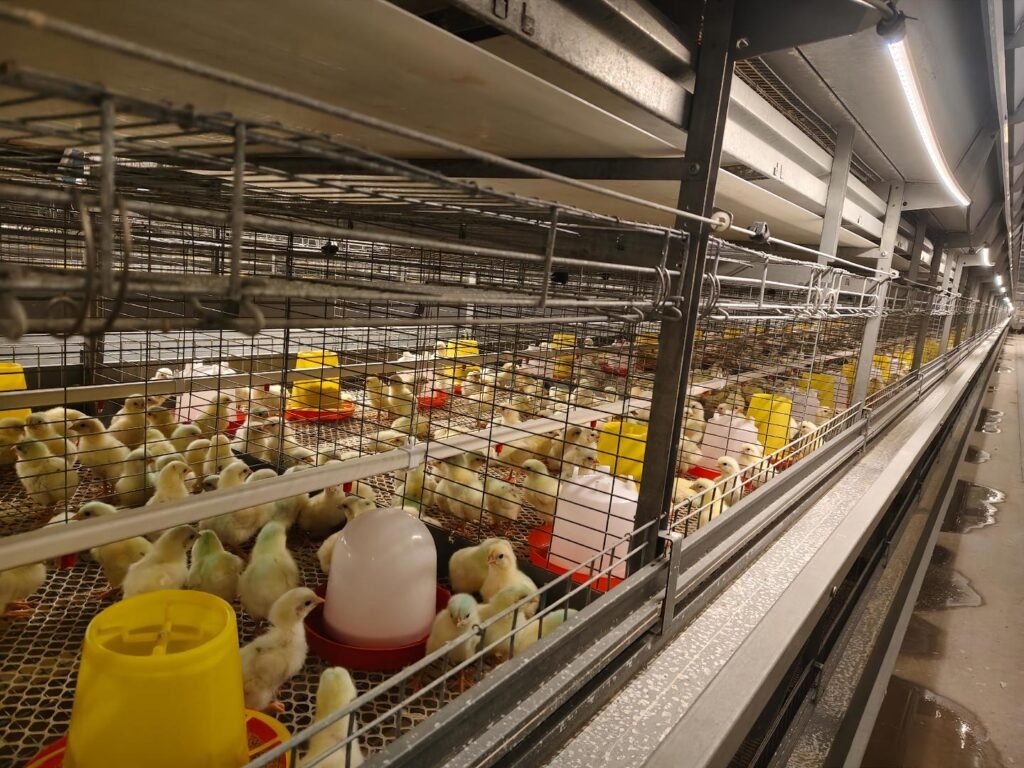
Successfully raising pullets for a Pullet cage solution requires precise management, and achieving target body weight at each stage is critical. Failure to meet weight standards can be traced to three main categories, each requiring a specific Pullet cage solution management approach.
1. Primary Causes of Underweight Pullets
2. Diagnosis and Corrective Actions
Identifying the root cause is essential. For management issues, adjust house temperature, feed amount, water flow, light intensity, and duration. For disease, address the source and provide timely treatment.
3. Nutritional Adjustment Strategies for a High-Performance Layer Cage Solution
Ensuring high-quality feed ingredients is the foundation. Next, determine the weight deviation from the standard for the current age and adjust the feed formulation according to the specific breed's protein and energy requirements.
4. The Critical Importance of Body Weight at Point of Lay
Body weight at the start of lay determines final body weight, egg size, and lifetime egg production. For instance, in breeds like Dawu Jinfeng, flocks exceeding the target weight by 100 grams before lay typically achieve higher lifetime production, heavier final weight, better feed adaptability, and stronger stress resistance.
5. The Fundamental Role of Energy
Every biological activity requires energy. Gaining 1 gram of body weight needs approximately 5 kcal. The digestion, absorption, and conversion of protein also directly depend on energy. This underscores the paramount importance of energy in any successful Pullet cage solution, as flocks with energy-deficient feed often exhibit the most problems.
Henan Sdeley Machinery Equipment Co., Ltd. is a wholly-owned subsidiary of the OUP Group, located in the Sdeley Industrial Park in Anyang City, a thousand-year-old ancient capital. The company has a total investment of 100 million yuan, covering an area of 1,000,000 square meters.