Broiler chicken farming business plan
Aug 13 2025
Broiler chicken farming business plan:Caged Broiler Management and Disease Control Techniques
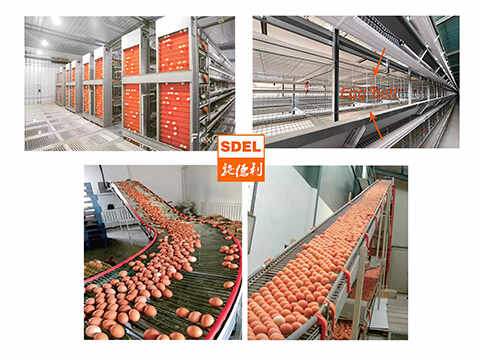
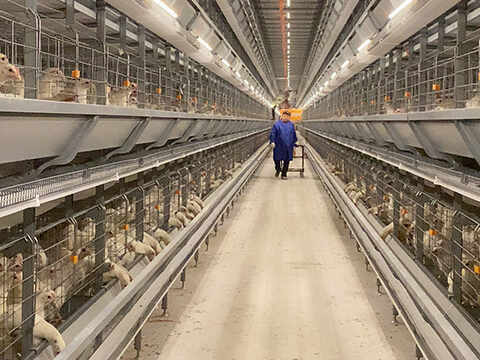
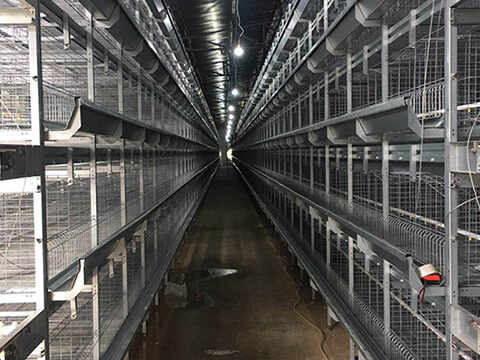
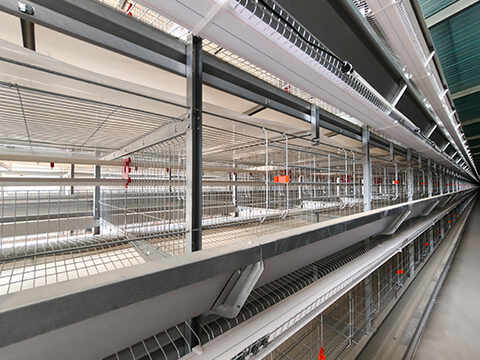
Integrating caged broiler systems into your broiler chicken farming business plan delivers unparalleled efficiency: higher stocking densities (18-22 birds/m²), 35-day turnaround cycles, and up to 15% lower mortality versus floor systems. This approach reduces operational costs through automated feeding/climate control while meeting market demand for ethically raised, antibiotic-free poultry. Successful implementation requires precise HVAC management, data-driven health protocols, and modular barn design – all critical ROI factors for investors seeking sustainable, vertically integrated protein production.
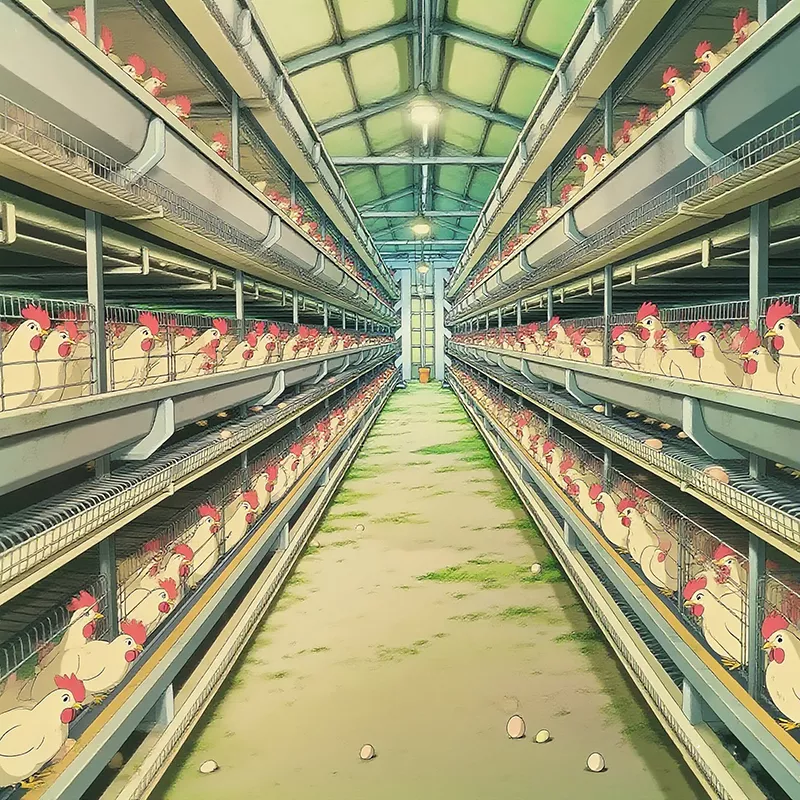
Advantages of Caged Broilers:
- Space Efficiency – Reduces per-bird infrastructure costs
- Superior FCR – Enhanced growth performance
- Energy Savings – Easier temperature control, lower heating costs
- Reduced Gut Diseases – Lower intestinal disorder incidence
- Early Disease Detection – Prompt culling prevents flock outbreaks
- Faster Turnover – Market-ready in <40 days
- Low Medication Costs – Under ¥1/bird
Addressable Challenges:
- High initial investment
- Ventilation complexity
- Summer cooling difficulties
- Labor-intensive manure management
- Occasional water shortages (2 nipples/cage)
- Escaped birds becoming non-viable
- Feeding competition causing trampling
- Poor lower-tier lighting in vertical 3-tier systems
- Disinfection blind spots
- Higher respiratory disease rates
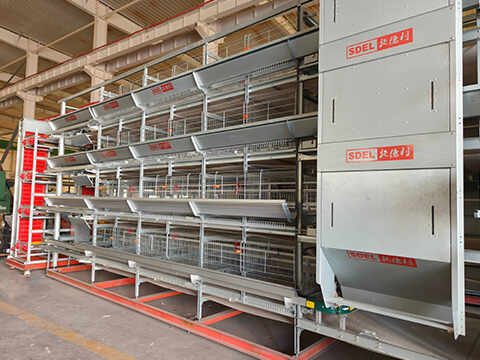
Cage System Types(Taking a three-tier system as an example):
- Vertical 3-tier: Hard to automate, labor-heavy, poor lower-level lighting
- Step 3-tier: Inefficient space utilization, reduced stocking density
Broiler chicken farming business plan|critical management protocols
I. Pre-arrival Prep
- Waterlines: Check leaks/nipple function
- Cages: Verify door mechanisms and floor/wall integrity
- Temperature Calibration: Test heating systems; map thermal zones (±2°C tolerance)
- Lighting: Eliminate dark spots
- Electrical Safety: Prevent shorts in metal-rich environments
- Disinfection: Fumigate 24-48h, then spray (non-corrosive chemicals)
II. Brooding (Days 1-10)
- Start at 30°C → ramp to 33-35°C
- Stock 27-30 chicks/cage (top tier)
- Water additives: Glucose, electrolytes, antibiotics, astragalus polysaccharide
- 24h bright light for first 3 days
III. Feeding Management
- Automated: 3x daily feeds
- Manual: Uniform distribution; refill empty troughs by afternoon
- Monitor uneaten feed → check: water access, density, illness, lighting
IV. Water Management
- 24/7 supply (except during vaccines)
- Unclog nipples promptly; leaks cause feed contamination and intestinal issues
V. Manure Removal
- Daily clearing prevents ammonia buildup
- Avoid drafts during removal → prevent chilling
- Wet sweeping reduces dust
- Pro Tip: Automated scrapers cut labor by 60%
VI. Temperature Control
- Week 1: 33-35°C → decrease 2°C weekly
- Avoid fluctuations!
- Summer: Activate cooling pads at 33°C
VII. Ventilation
- Phase 1 (Days 7-20): Roof/side vents (angled upward)
- Phase 2 (Day 20+): Add tunnel fans + variable-speed controls
- Critical: Block direct airflow onto birds when using cooling pads
VIII. Humidity
- Brooding: 65-70% RH → Later: 60% RH
- Low humidity? Warm-water misting
- High humidity? Increase ventilation
IX. Stock Grading
- Day 10: Move 9-10 birds from top→middle tier
- Day 15-20: Transfer 9-10 from top→bottom tier
- Delayed grading = growth disparity
X. Health Monitoring
- "1 Record": Daily feed intake/mortality/temp/RH logs
- "2 Listen": Nighttime respiratory/defecation sounds
- "3 Inspect": Morning droppings (consistency/color)
- "4 Observe": Flock activity/feather/organ condition
XI. Strategic Vaccination & Medication
|
Timing
|
Protocol
|
|
Week 1-2
|
Immune boosters: Vit E/A, levamisole, astragalus
|
|
Day 10
|
Coccidiosis prevention (diclazuril/toltrazuril)
|
|
Post-vaccine
|
Tylosin to control reactions
|
|
AI/ND Risk
|
Plant lectins + dual vaccines; delay ND vax if AI suspected
|
|
Liver/Kidney
|
Longdan Xiegan San for swelling
|
|
Stress
|
Electrolytes in water
|
Disease Control Innovations
- Gizzard Erosion: Antifungal agents (e.g., adenogastrokang) at 22-27 days
- E. coli: Cephalosporins/florfenicol after confirming non-viral cause
- Respiratory Relief: Mahuang Guizhi Tang for severe symptoms
Broiler chicken farming business plan|Operational Mantra:
"Consistency in environment + vigilance in observation = 90% success in caged broilers."
Based on 3-year field data from china 10,000-bird units.