Resources

Commercial chicken cage system

Aug 19 2025

Commercial Chicken Layer Cage System: Technical Guidelines for Stacked Layer Farming​

With technological advancements, automation is gradually transforming livestock farming. It reduces labor intensity and significantly saves human resources. Below are the technical specifications for stacked layer cage systems in commercial egg production.

​1. Advantages of Stacked Layer Cage Systems​

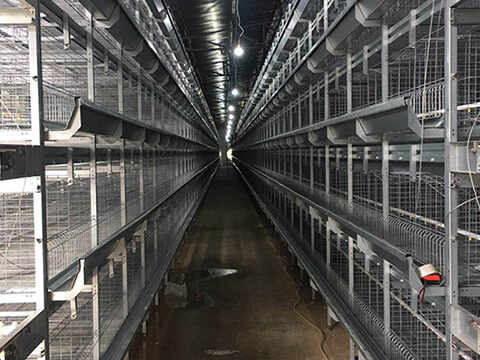
Stacked layer cages are the preferred equipment globally for large-scale, intensive, automated, and standardized egg production. Key benefits include:

  1. ​Space efficiency: Compact footprint with high vertical space utilization
  2. ​Manure management: Tiered manure removal enables natural air-drying (≤30% moisture), reducing environmental pollution
  3. ​Automation: Full automation minimizes labor requirements and operational intensity
  4. ​Biosecurity: Enclosed design reduces disease transmission risks

​2. Layer Management Protocols​

​Transferring layers to laying cages

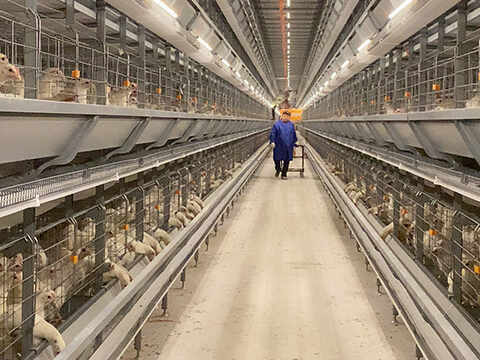
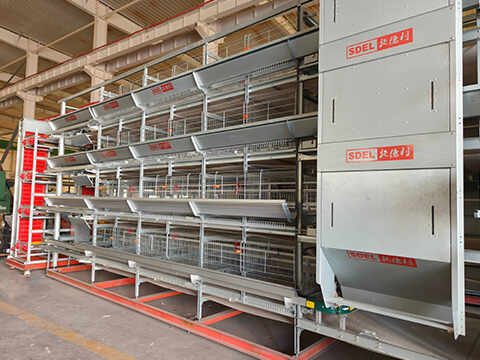
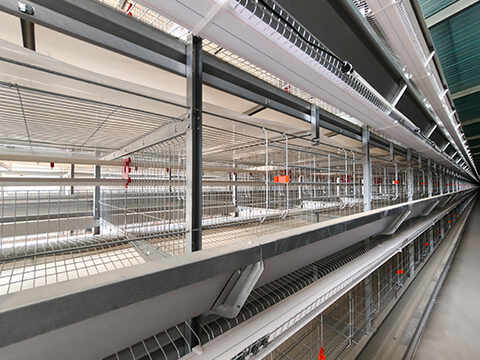
Commercial Chicken Layer Cage

​2.1 Timing for Cage Placement​

Transition hens to cages after completing vaccinations (Newcastle, IB, Avian Influenza, EDS) when initial egg production begins.

​2.2 Feed Transition​

Shift to peak-phase feed at 5% egg production. Implement a 7-day transition period. Maintain consistent feed quality without formulation changes.

​2.3 Flock Monitoring​
2.3.1 Health & Fecal Observation
  1. ​Odor check: Detect ammonia spikes (indicator of poor ventilation or E. coli)
  2. ​Fecal analysis:
  3. Green/white feces → Stress or Newcastle disease precursor
  4. Dry/scant feces → Water system failure
  5. ​Mortality: Immediate necropsy for disease diagnosis
2.3.2 Respiratory Audits

Post-lights-off checks for abnormal sounds (sneezing, coughing).

2.3.3 Feed & Water Intake

Adjust trough heights and verify consumption rates against stocking density.

2.3.4 Egg Production Metrics

Daily tracking of:

  1. Egg quantity/size
  2. Shell quality/color
  3. Breakage rates/soft-shell incidence
​2.4 Culling​

Promptly remove weak/ill birds, especially in upper tiers.

​2.5 Antibody Testing​

Regular serology for Newcastle and Avian Influenza.

​2.6 Egg Handling​

Pre-collect broken/soft-shelled eggs to prevent conveyor contamination.

​2.7 Late-Phase Calcium Supplementation​

​Protocol:

  1. Add 0.01–0.015% vitamin AD₃ to feed
  2. Daily 3–4kg oyster shell grit per 4,000 hens at 5 PM
    Scientific basis: 70% of shell calcification occurs afternoon-to-dusk.

​3. Equipment Operation & Maintenance​

​3.1 Power Backup​

Install automatic-transfer generators matching farm capacity.

​3.2 Lighting​

Ensure uniform distribution via staggered bulbs or LED strips.

​3.3 Feeding Systems​

​Automated process:

  1. Feed delivery → External silos
  2. Horizontal conveyors → Hopper cars
  3. Programmed distribution along cages
    Frequency: Farm-specific schedules (typically 2–4x/day)
​3.4 Water Systems​
  1. ​Nipples: 2 per cage (360° access)
  2. ​Drip trays: V-channel evaporative design
  3. ​Monitoring: Smart meters + inline filters/dosers
​3.5 Manure Removal​

Tiered PP conveyor belts enable:

  1. In-shed manure drying (↓moisture → ↓NH₃)
  2. Weekly clearance cycles
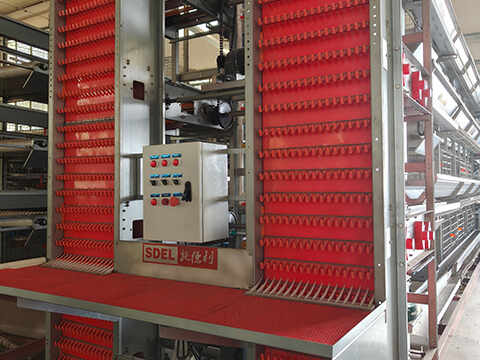
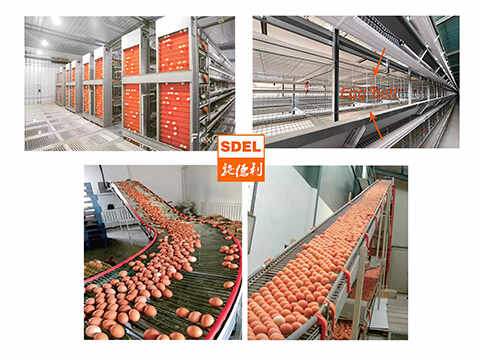
​3.6 Egg Collection​

​Critical innovations:

  1. Soft-egg filter: Prevents conveyor jams
  2. Transition buffer: Minimizes impact damage between belts
​3.7 Ventilation​

Climate-specific designs:

  1. ​​High-heat-humidity regions: Cooling-priority (evaporative pads)
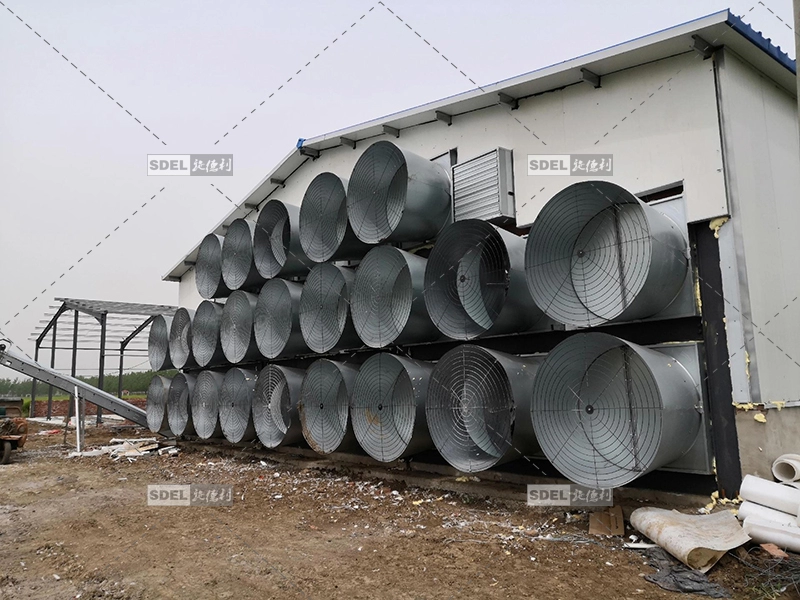
  2. ​​Temperate-climate regions: Air-exchange priority (tunnel fans)

fan

fan wall

​3.8 Maintenance Schedule​

​Component​

​Frequency​

​Action​

Drive chains/gears

Monthly

Lubricate (food-grade grease)

Egg/manure conveyors

Monthly

Clean rollers/debris

Ventilation inlets

Seasonally

Adjust shutter angles

Lighting

Quarterly

Wipe bulbs for lux consistency

​3.9 Troubleshooting​

​Fault​

​Cause​

​Solution​

Manure belt slippage

Overloading / Misalignment

Tighten tensioners; Clear debris

Feed cart failure

Rail obstruction / Switch failure

Clear tracks; Calibrate limit switches

Watery manure

Leaky nipples / Loose seals

Replace seals; Apply silicone sealant

High breakage rate

1. Egg pecking
2. Thin shells
3. Conveyor impacts

1. Install electric grids
2. Adjust calcium
3. Align transition buffers

Belt deviation

Non-parallel rollers

Realign roller brackets

​3.10 Safety Protocols​
  1. ​Hazard zones: Prohibit access near operating conveyors
  2. ​Lockout/Tagout: Mandatory during maintenance
  3. ​Limit switches: Monthly functionality tests

​Industry Validation​

Stacked ​commercial chicken layer cage​ systems demonstrate:

  1. 18% higher space efficiency vs. flat-deck systems
  2. 40% labor reduction through automation
  3. ≤5 ppm ammonia concentration (EU welfare compliant)

Adoption rate: >80% of Chinese farms with 50,000+ hens.


Related Products

Henan Sdeley Machinery Equipment Co., Ltd. is a wholly-owned subsidiary of the OUP Group, located in the Sdeley Industrial Park in Anyang City, a thousand-year-old ancient capital. The company has a total investment of 100 million yuan, covering an area of 1,000,000 square meters.

Home Tel Mail Inquiry